

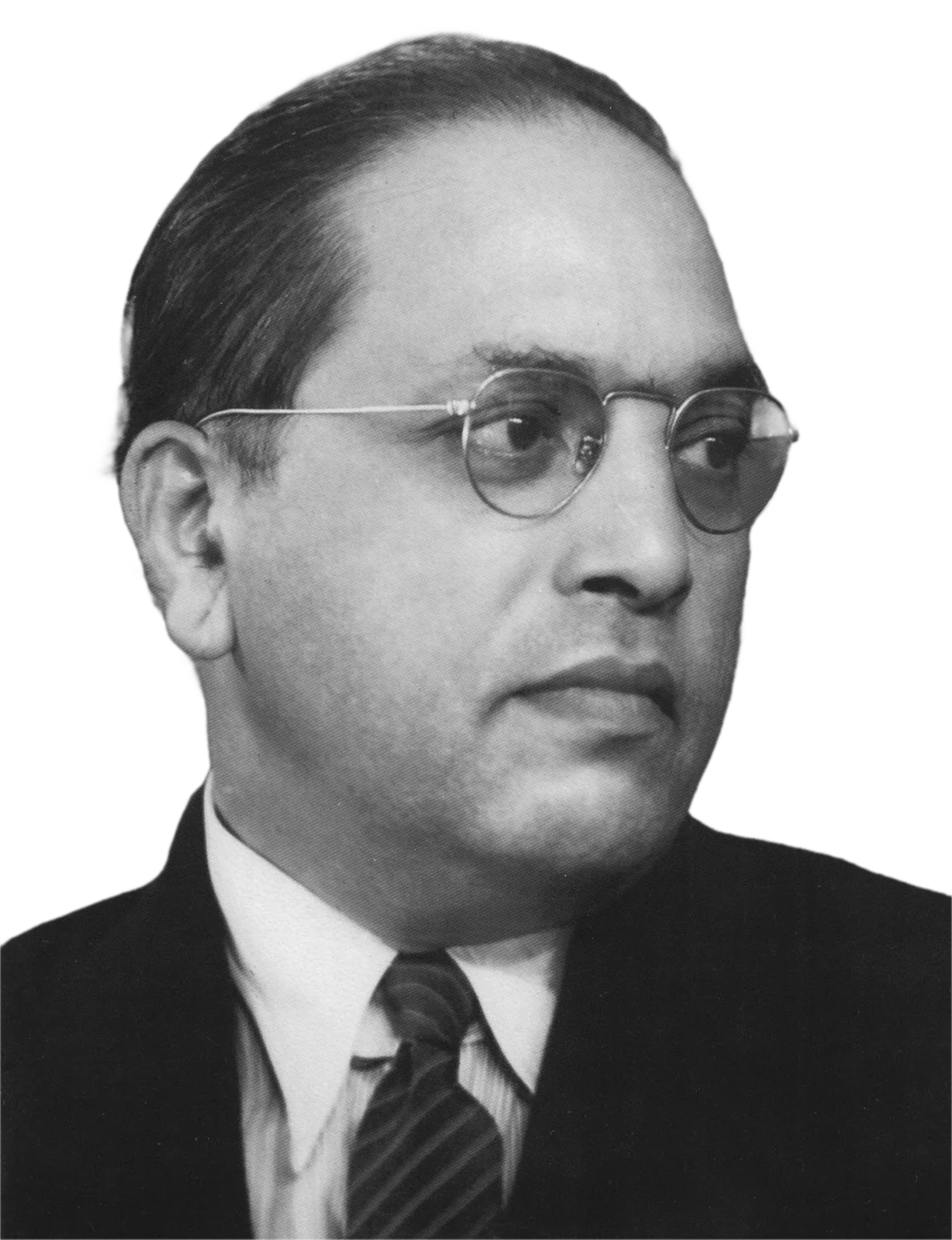


Babasaheb
Ambedkar
Millions know his name, but few have read his words, because the official volumes are mostly read as scanned government PDFs. Here every book, speech and newspaper is made easy to read: clean text you can search, listen to and read on any screen, word for word from the official edition, with the story of his life around it, in English and Marathi.
A tribute by Sidhant Sardar, an Ambedkarite and web developer · sidhantsardar.com ↗
A well-known portrait of Ambedkar, probably from the late 1940s or 1950s, when he was Law Minister. The exact date and photographer are unknown. Photo: Unknown author · Public domain (PD-India, PD-India-URAA) · Wikimedia Commons
His books and speeches are all inside the volumes
You do not need to hunt for each book. His flagship books, his speeches and his papers are compiled, word for word, in the volumes of Dr. Babasaheb Ambedkar: Writings and Speeches. Open a cover to read it where it sits in its volume.
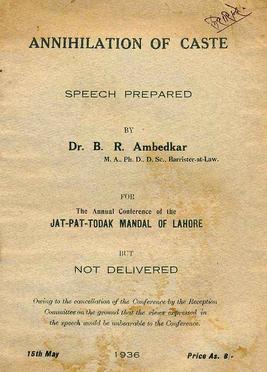
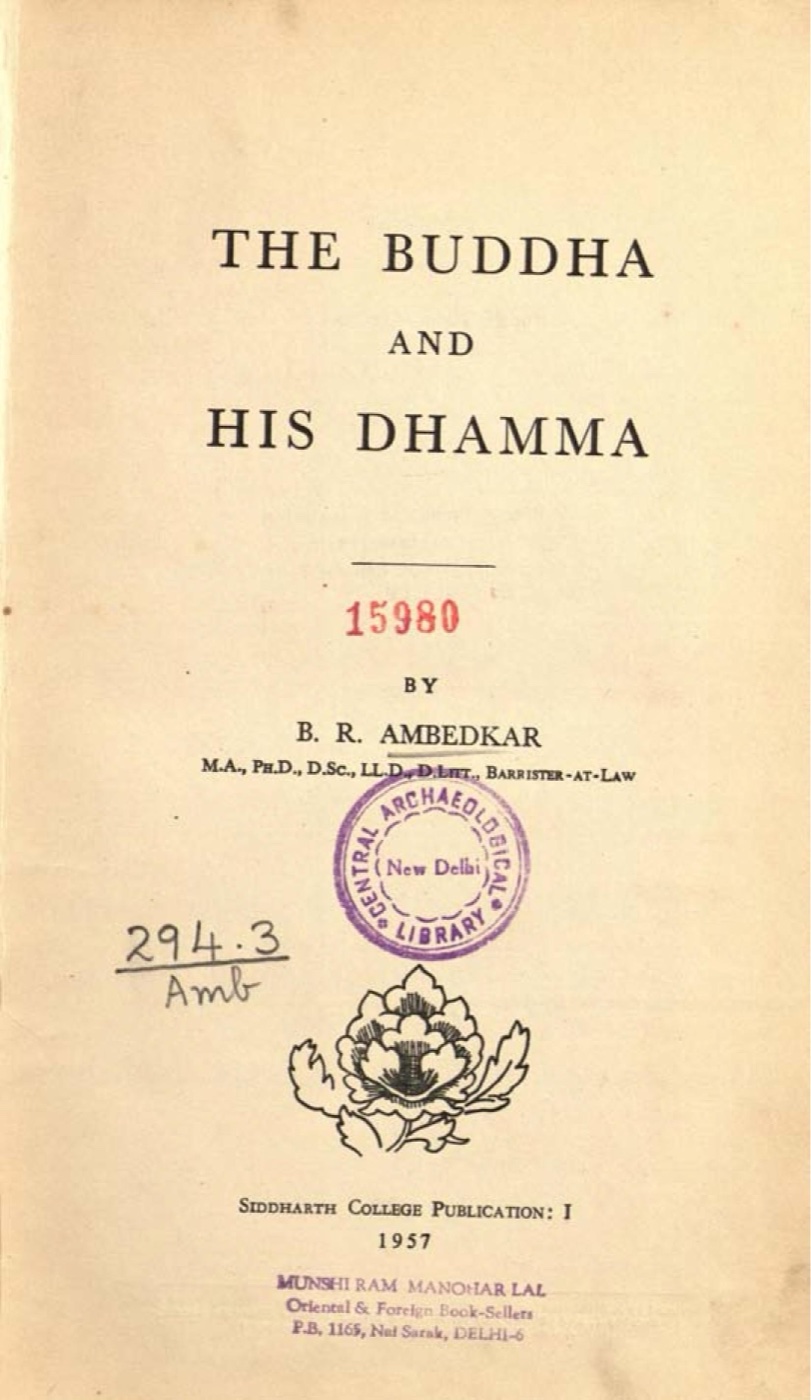
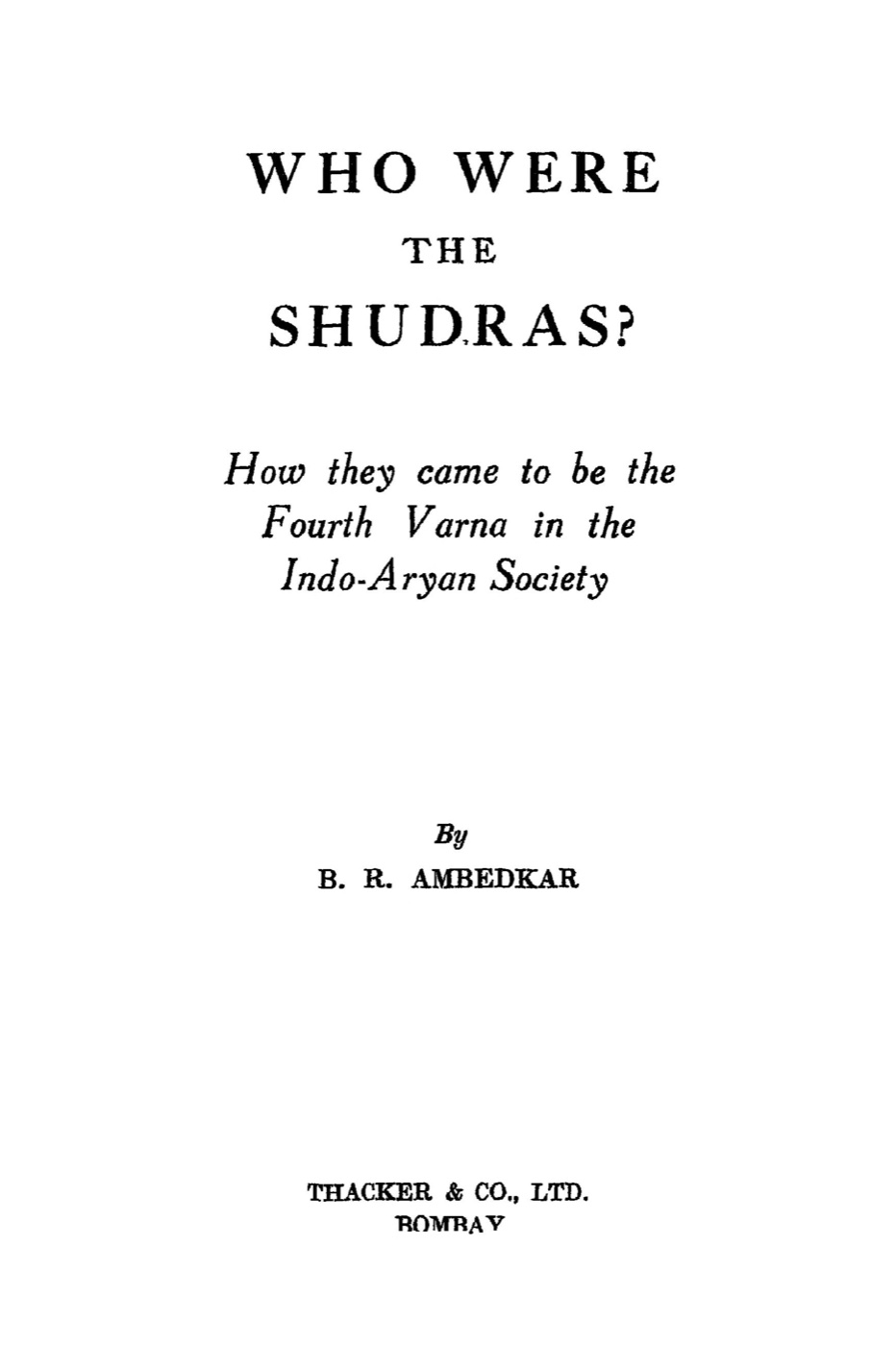
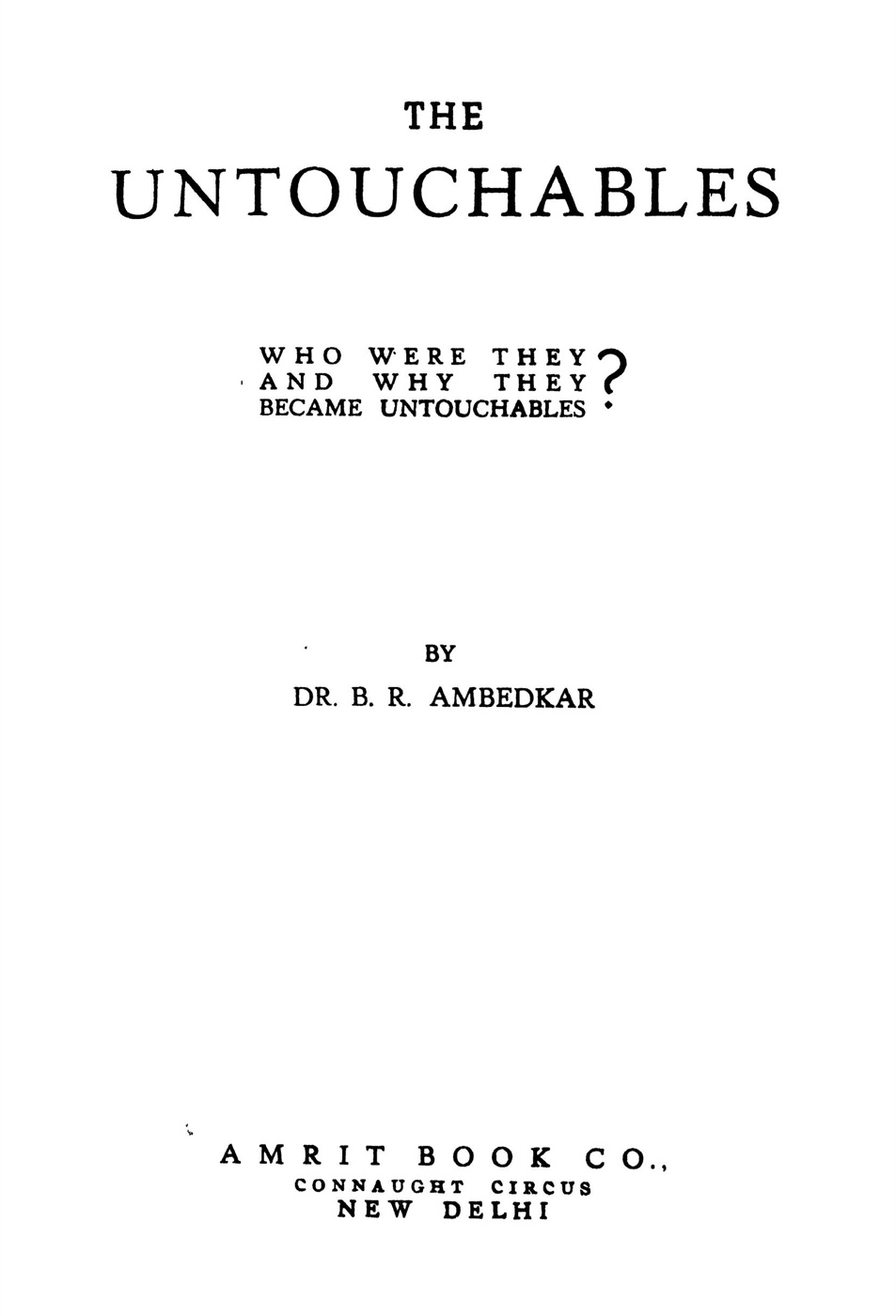
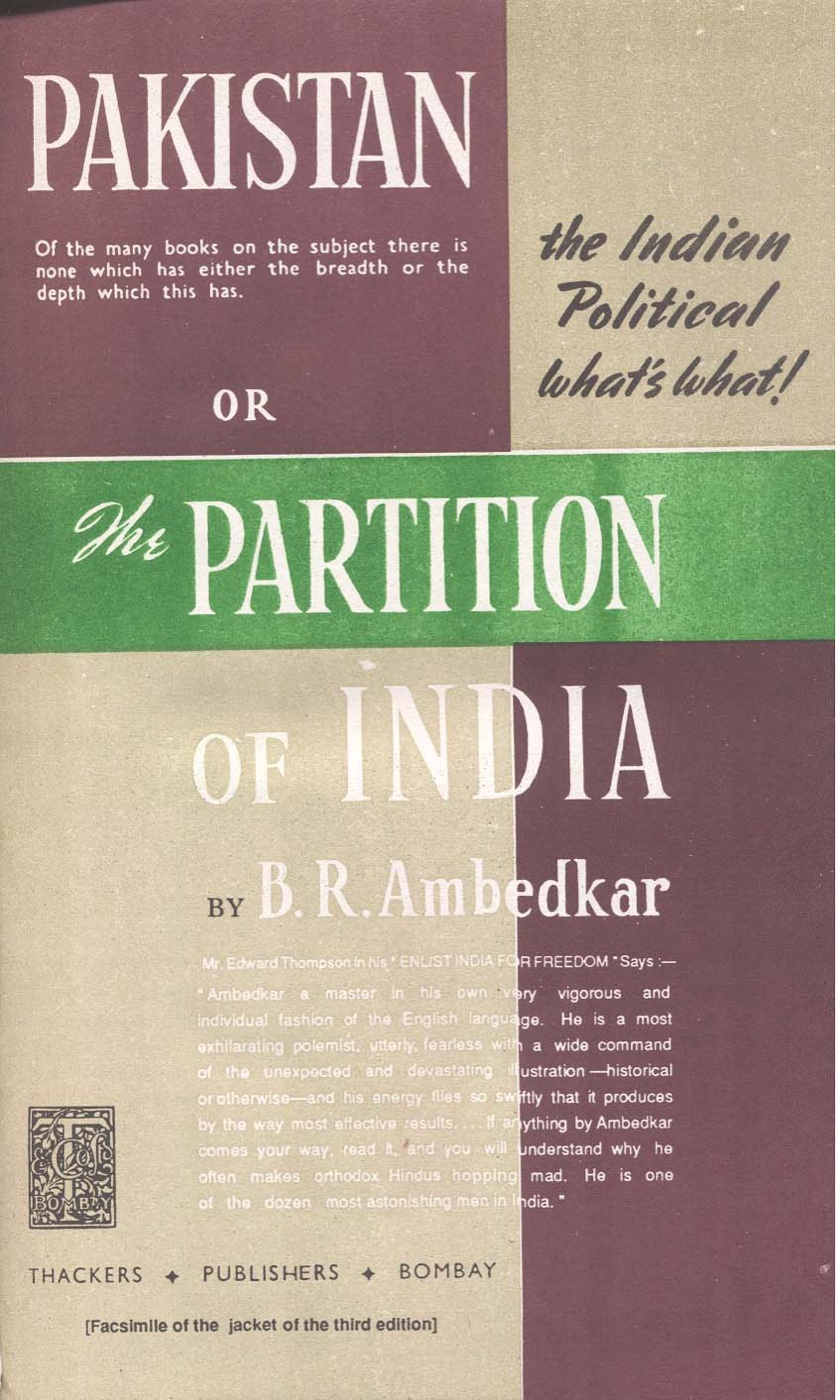
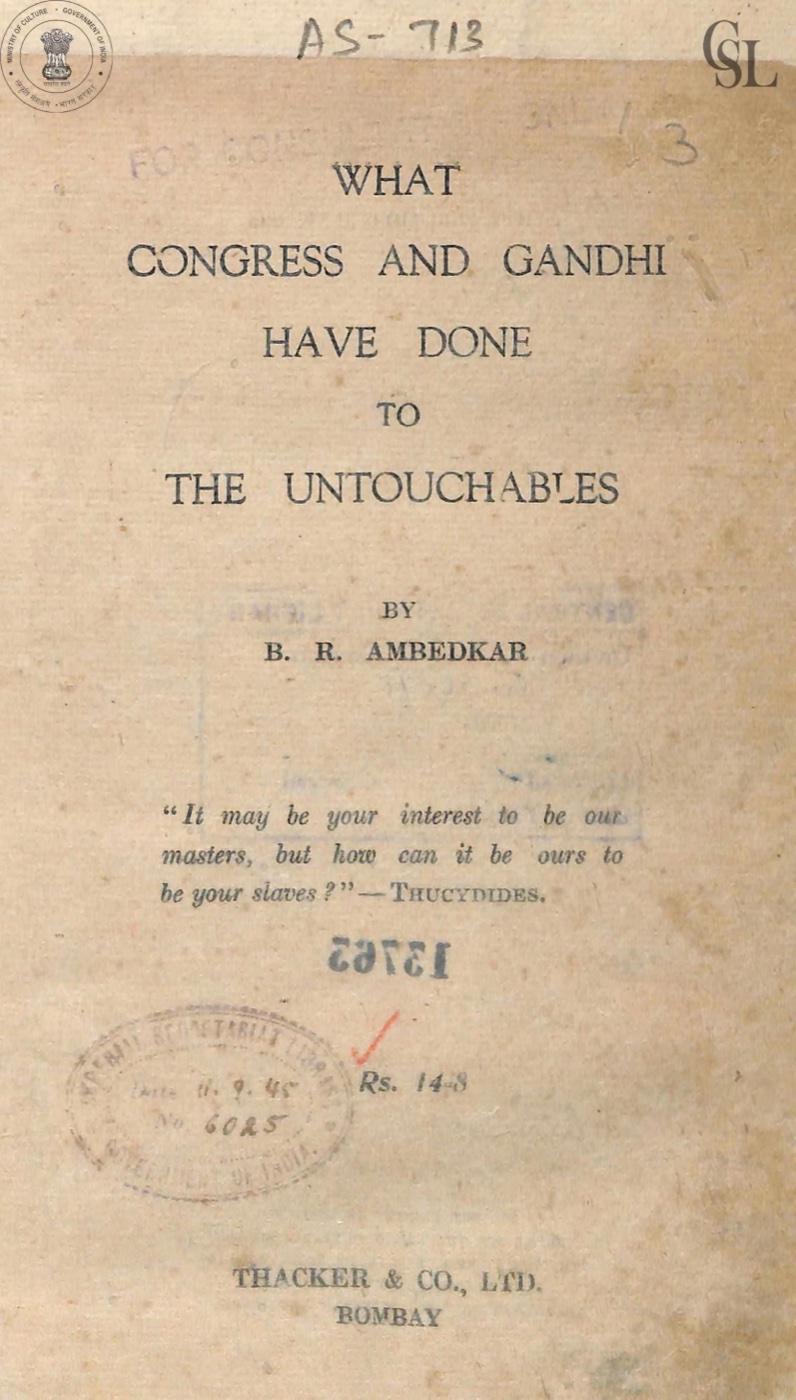
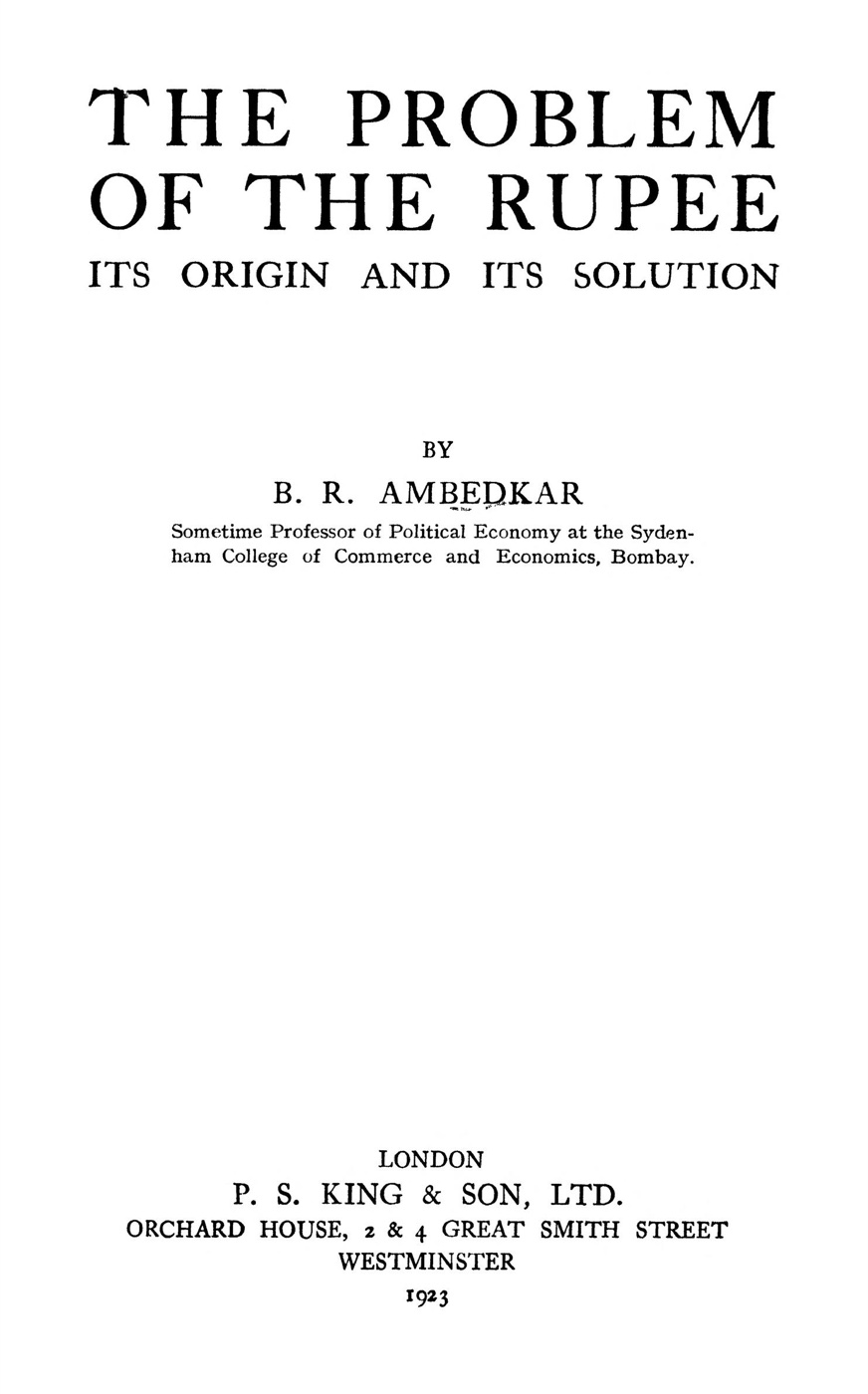
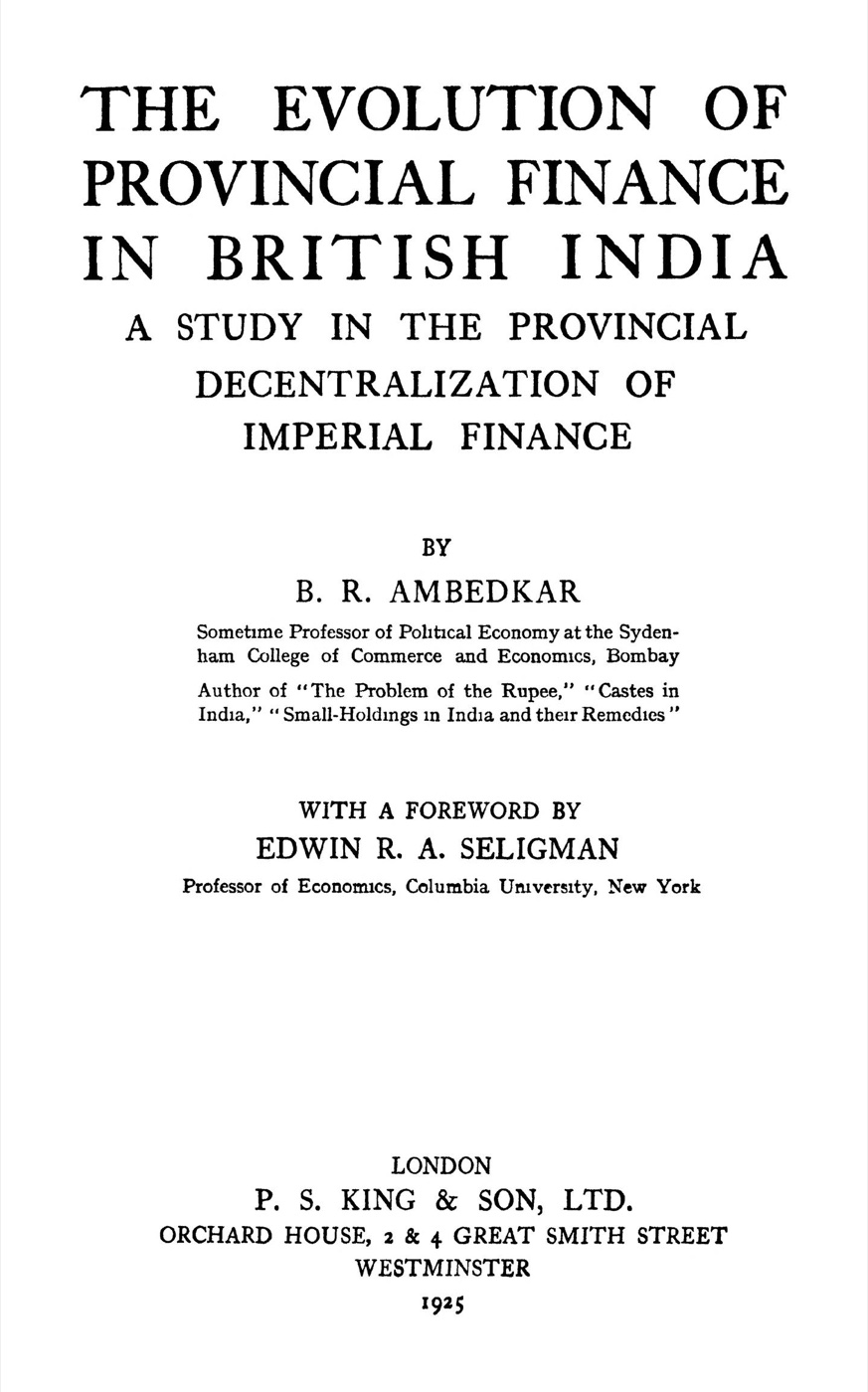
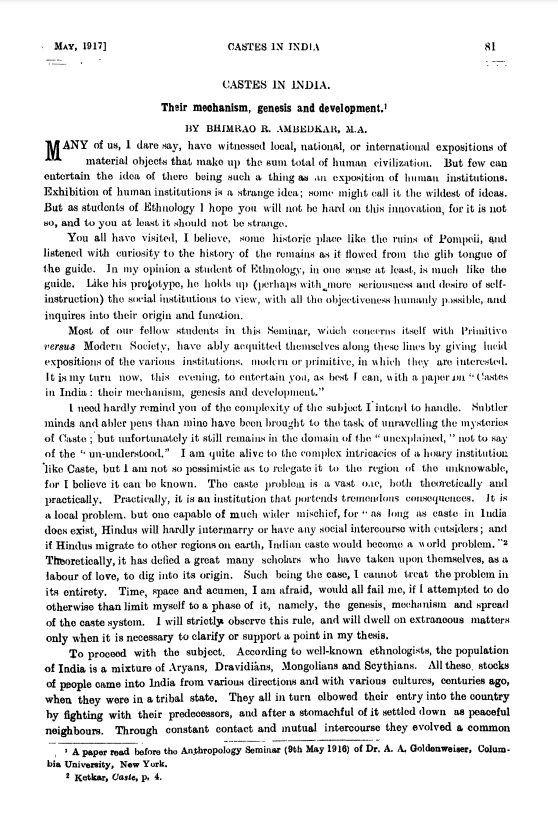
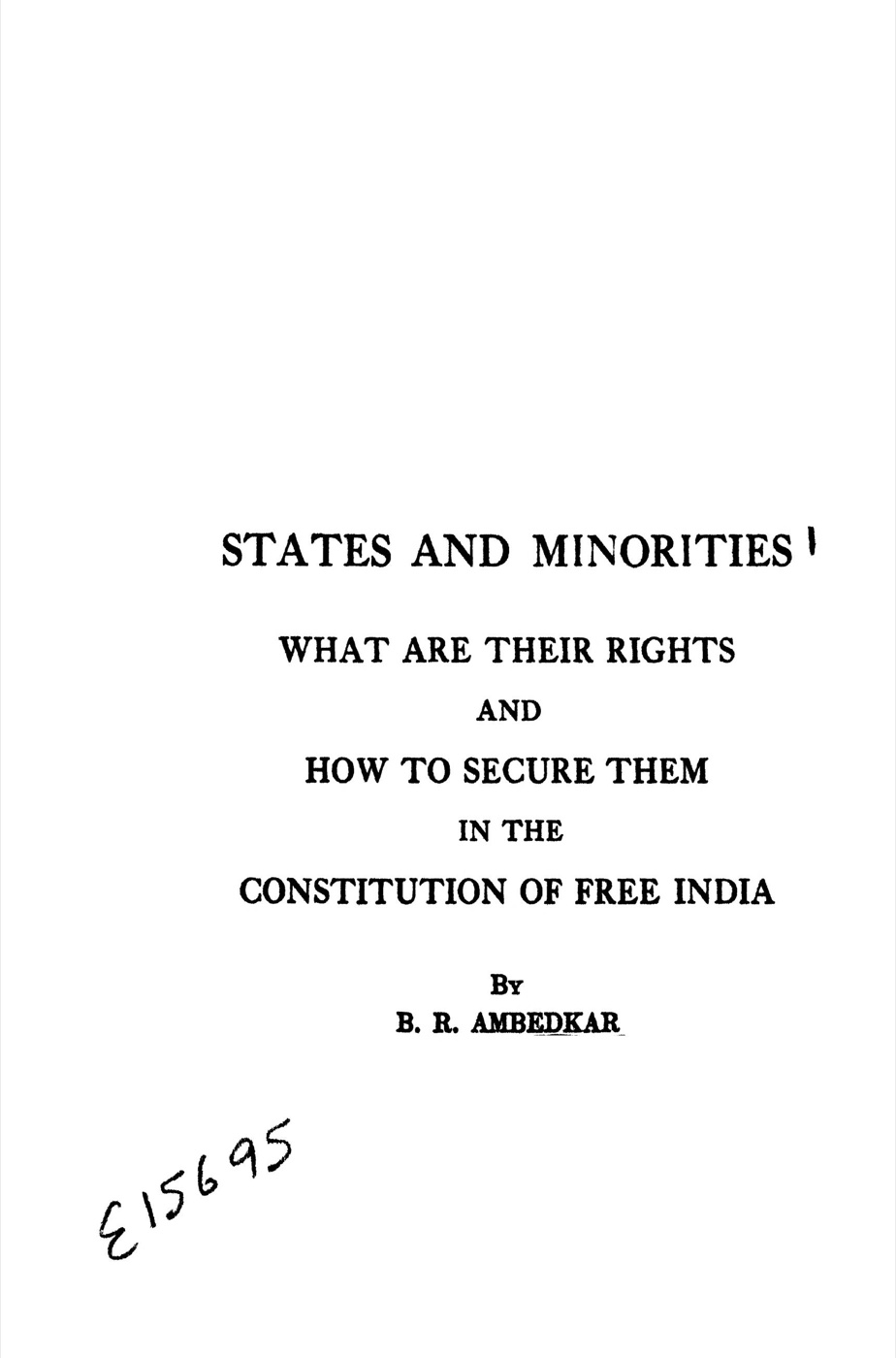
- 1955Thoughts on Linguistic StatesHow India’s states should be drawn by language.Read in Vol. 1 →


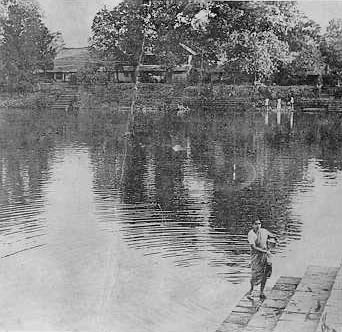
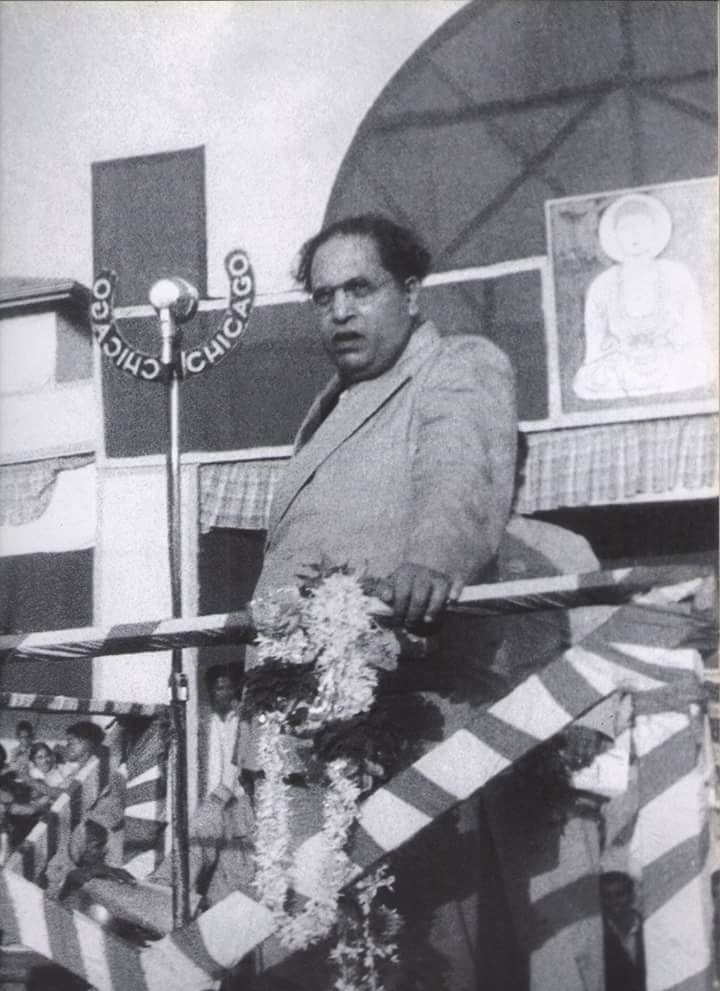
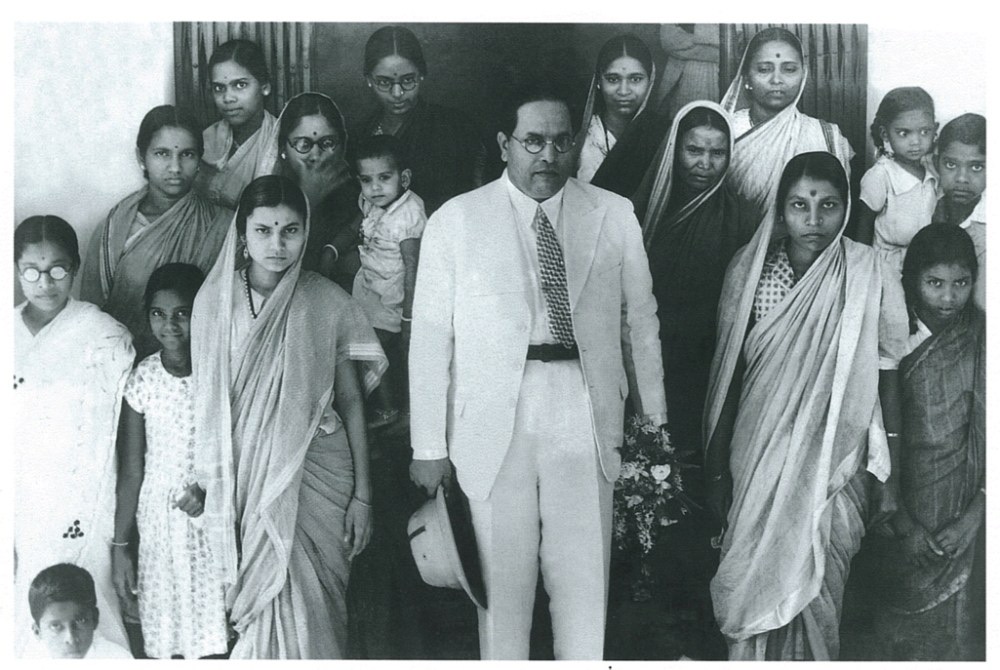
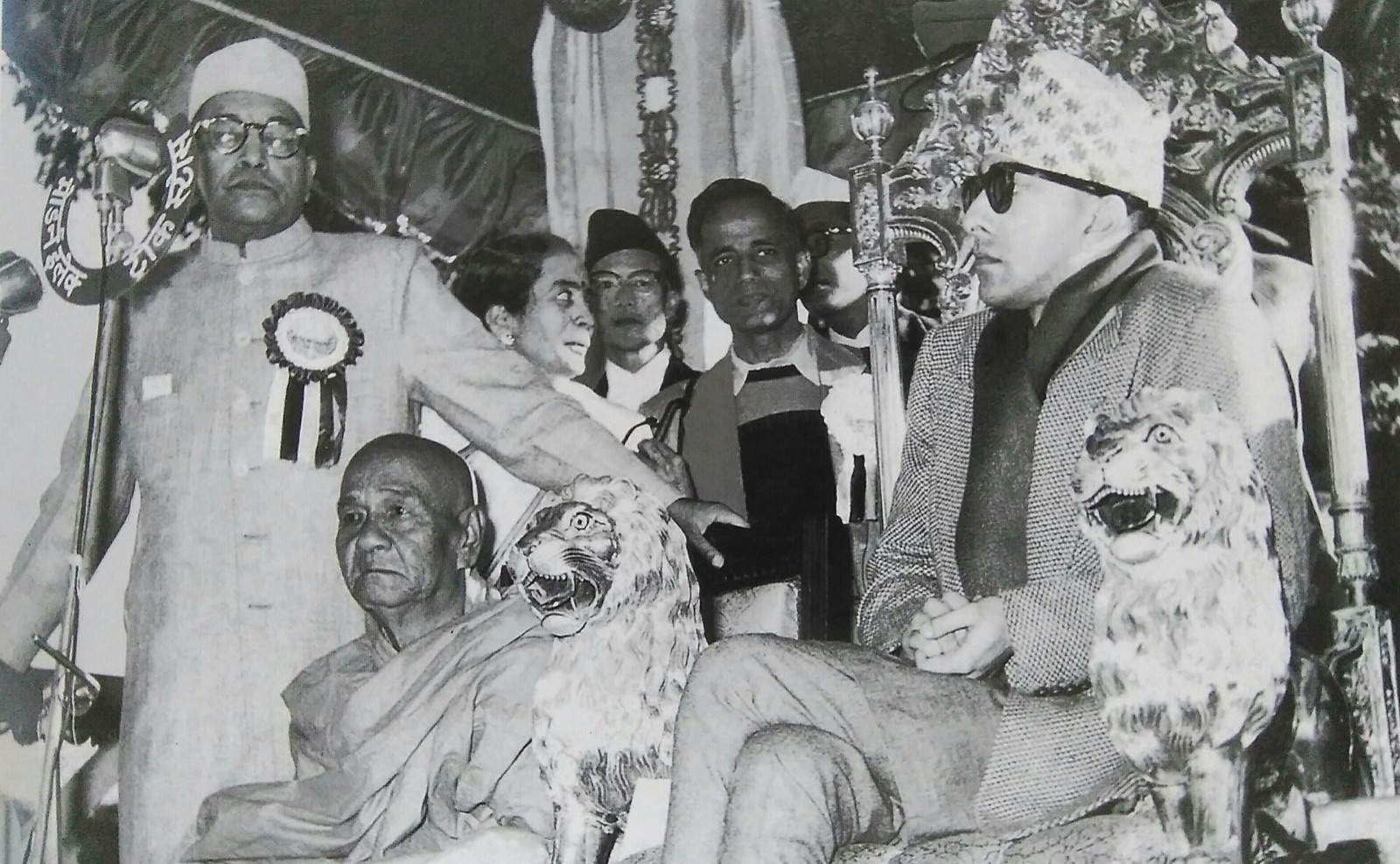
- All 60 speechesWith dates, places and where to read each one →


- 1928SamataThe paper of the Social Equality League.About the paper →
- 1930JanataThe longest running of his papers.Marathi vol. 20 →
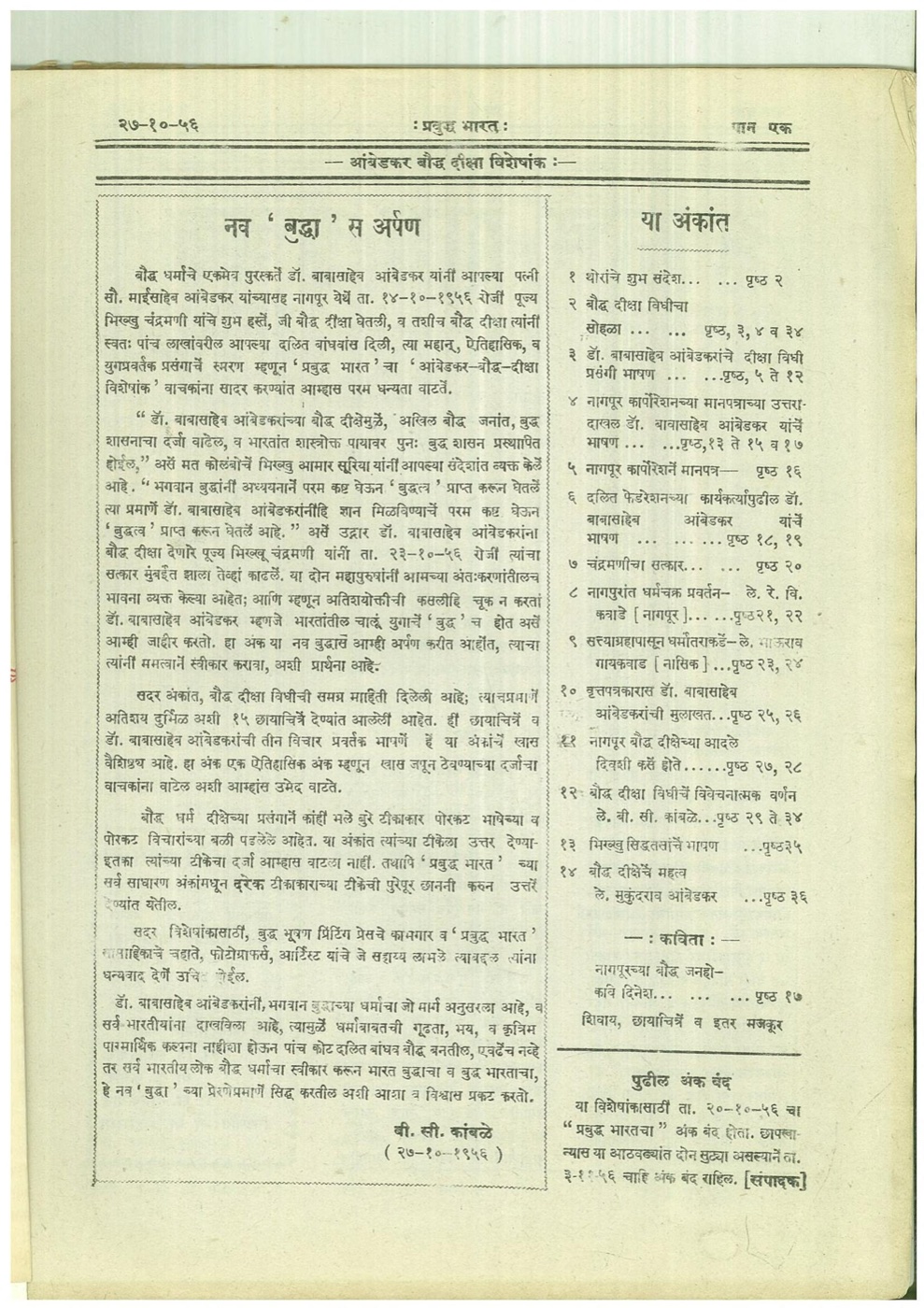


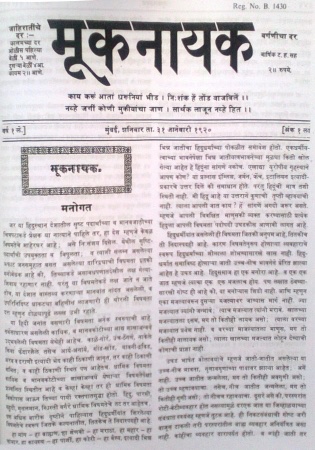
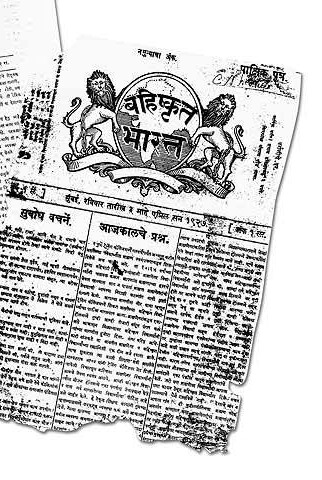
His newspapers were in Marathi. Mooknayak, Bahishkrit Bharat and Janata are reprinted in the Marathi volumes published by the Government of Maharashtra, not in the 17 English volumes on this site.
Time moves fast. His work must not be left behind.
His writings are published, but mostly as scanned PDFs and second-hand summaries, and many people know only his name. This portal turns them into text you can read, search and listen to, chapter by chapter, with his life and the Constitution explained around them, and a Marathi translation beside the English. It is a personal tribute to Babasaheb by Sidhant Sardar: independent, not a government website, and not tied to any party or organisation. Everything here comes from legitimate sources, so that people and AI can both trust it.
Ask him, in his own words
13,843 pages of his writings and speeches, searchable word for word. Whether you are a student, a reader or an AI assistant, the answer comes from the source, not from hearsay.